How to compare commercial solar loan offers: APR, fees and security
Updated 20 October 2026 · SEO Dons Editorial
Editorial standards: figures are cross-checked against gov.uk capital-allowances guidance and Ofgem Smart Export Guarantee rates, and updated as rules change. We are independent, so no funder relationship influences these comparisons. General information, not financial or tax advice, confirm your position with your accountant.
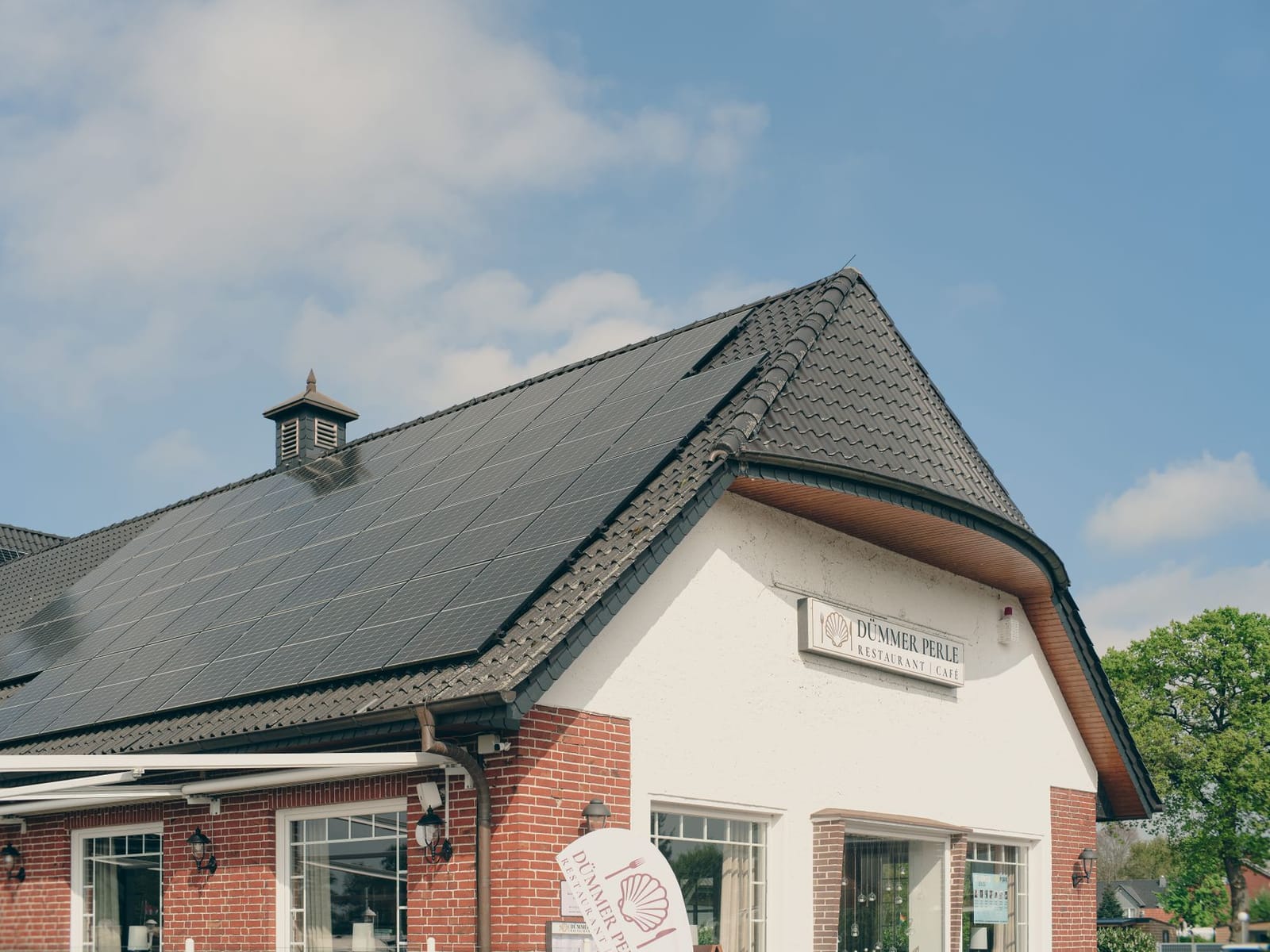
Searches for commercial solar lenders and loan rates are really asking one question: who will fund the system, and on what terms? There is no single rate card. Offers differ by lender type, by your trading history and by the security you can give. This guide sets out how to compare them so you are judging like for like.
It is general information, not financial advice, and we are a comparison and quote service, not a lender. The mechanics of the route itself are covered on our business solar loan page.
The main types of funder
- Banks. A bank may offer a term loan, sometimes secured against business assets or a property. Terms often depend on your existing relationship with the bank.
- Asset-finance companies. They fund the equipment itself, and the system usually acts as part of the security. Hire purchase and finance leases come from this group.
- Specialist green or renewable lenders. These focus on energy projects and may understand the savings case better than a general lender.
- Lease and PPA funders. They own the system and sell you the power or rent the equipment, a different route covered on the route comparison page.
What lenders commonly ask for
Requirements vary, so treat this as a list of things to have ready rather than a promise of terms. Lenders commonly look at your trading history and recent accounts, the size of the system against your electricity use, whether you own or lease the building, and the security or guarantees you can offer. A newer or smaller company may be asked for a director's personal guarantee or a larger deposit.
How to compare two offers
Put each offer on the same sheet. For every one, write down:
- The amount borrowed and the deposit.
- The term in months and the payment amount.
- The APR and the total amount payable including every fee.
- Arrangement, documentation and option-to-purchase fees.
- The security required and any personal guarantee.
- Early settlement terms and the charge for settling.
- Whether payments are fixed or can change.
The most useful single number is the total amount payable over the term, because it includes interest and fees. Our quote guide shows how a flat rate can look cheaper than an APR and cost more, with worked figures.
Secured or unsecured: what the difference costs you
A secured loan can carry a lower rate because the lender has recourse to an asset, but it ties up that asset and may restrict what you can do with it. An unsecured or lightly secured offer is more flexible and may cost more. Neither is better in every case. The question to ask is what happens if payments are missed, and which assets are at risk.
Why the loan rate is not the whole picture
The loan is only one way to fund the system. If you borrow to buy, you own it and can claim the tax relief, as explained in our guide to solar panel capital allowances. That relief can cut the real cost of the project in year one, which changes which offer looks best. A route that suits one company can be wrong for another, so compare the whole cost after tax and against the electricity you expect to save.
A worked comparison of two offers
Rates alone can mislead. These figures are illustrative arithmetic on £300,000 financed over seven years, with the quoted interest rate shown before fees. They are not quotes.
- Offer A: 7.5% interest, £1,500 fee. The payment is about £4,601 a month, the interest and capital total about £386,525, and the cost with the fee is about £388,025.
- Offer B: 6.9% interest, £9,000 fee. The payment is about £4,513 a month, the interest and capital total about £379,105, and the cost with the fee is about £388,105.
Offer B has the lower rate and the lower monthly payment, and it ends up costing about £80 more in total. Ask for the all-in cost before you let a monthly figure decide the choice.
Warning signs in a lender's proposal
- No APR or total amount payable shown.
- Fees described as "standard" without an amount.
- Pressure to sign before you have seen the full agreement.
- Security that covers far more than the system itself, with no explanation.
- A payment that can change during the term, with no stated cap or index.
Next step
Try your own numbers in the finance calculator, then request costed finance quotes. We reply by email with the numbers for each funding route, and we do not promise a callback time or name a lender in advance.
Related guides
Get your commercial solar finance quotes
Replies by email
- 1. We model every route against your electricity spend, no obligation.
- 2. Comparable, costed quotes with upfront, monthly, tax relief and net cashflow.
- 3. You choose the route that fits, and we reply by email.
- Every route compared
- No upfront options
- No obligation
- Reply by email