How to Compare Commercial Solar Quotes and Avoid Traps
Updated 1 July 2026 · SEO Dons Editorial
Editorial standards: figures are cross-checked against gov.uk capital-allowances guidance and Ofgem Smart Export Guarantee rates, and updated as rules change. We are independent, so no funder relationship influences these comparisons. General information, not financial or tax advice, confirm your position with your accountant.
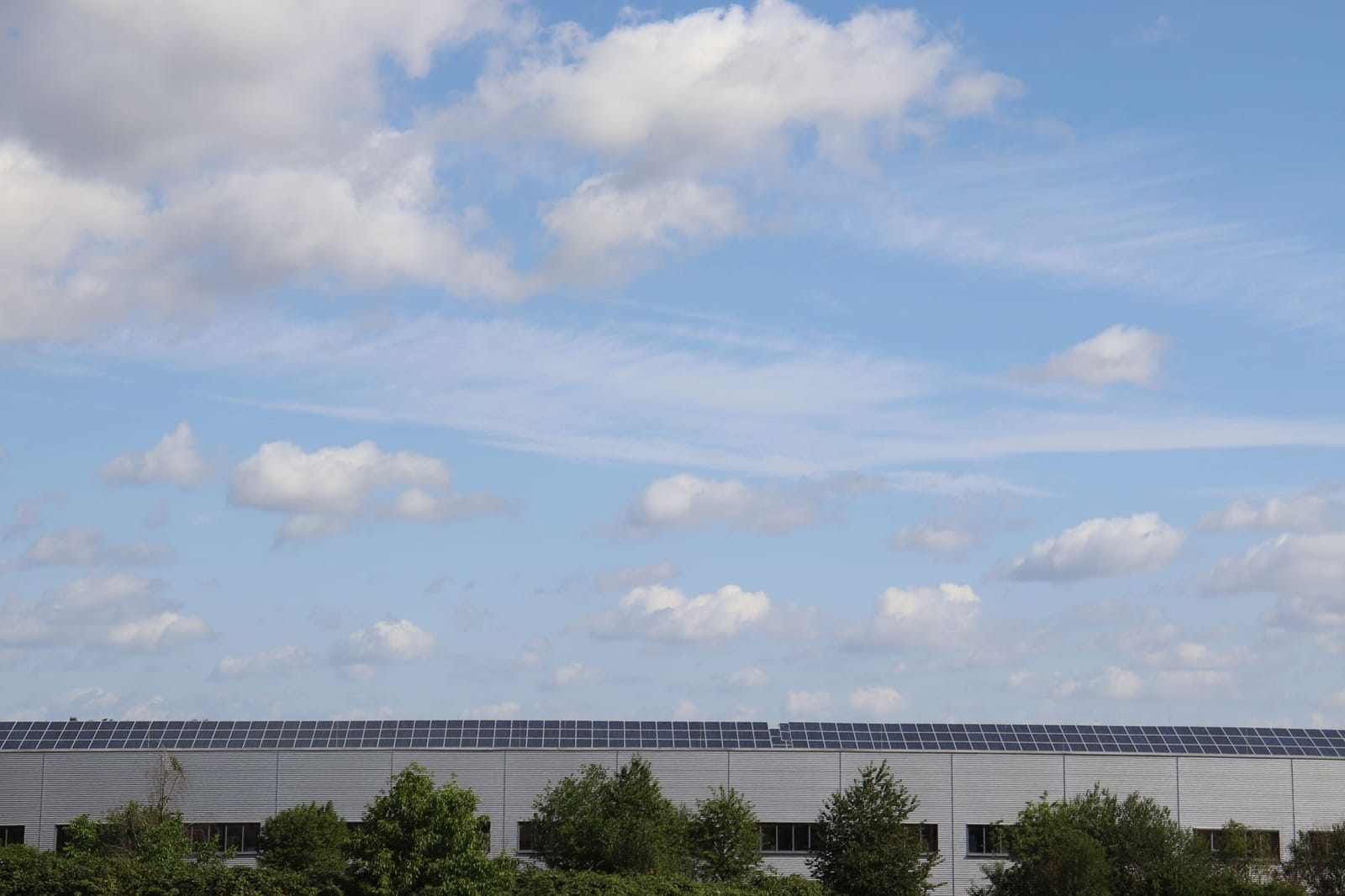
Two quotes for the same roof can look wildly different, and the cheaper headline is often the more expensive deal once you read the detail. The problem is rarely dishonesty. It is that installers and funders present figures in different ways, on different assumptions, over different terms. Comparing them properly means putting every quote onto the same footing before you decide.
This guide walks through what to check, how to compare across funding routes, and the red flags that catch businesses out.
Start by making the quotes comparable
Before you weigh cost against cost, confirm that each quote describes the same thing. A lower price can simply mean a smaller or lower quality system.
Check these specifications match across every quote:
- System size in kWp and the number of panels
- Panel and inverter make, model and warranty length
- Estimated annual generation in kWh and the assumptions behind it
- Degradation rate used in the long term figures
- Scope: scaffolding, roof surveys, structural checks, grid application, monitoring and handover
If one quote assumes you use 90 per cent of the power on site and another assumes 60 per cent, their savings figures are not comparable even if the hardware is identical. Ask every provider to state the self consumption rate they have used.
For a plain breakdown of what drives the numbers, see our guide to commercial solar costs and the payback and ROI page.
Compare like for like across funding routes
Most quotes fall into one of a few funding routes, and each shifts who owns the system, who carries the risk, and how the cost appears in your accounts. The table below summarises the common routes.
| Route | Upfront cost | Who owns the asset | Best suited to |
|---|---|---|---|
| Capital purchase | Full cost | You | Businesses with cash and a strong tax position |
| Hire purchase | Deposit | You, at term end | Owning the asset while spreading the cost |
| Asset finance | Low or none | Varies by product | Preserving working capital |
| Operating lease | None | The funder | Off balance sheet style use, no ownership |
| Power purchase agreement | None | The funder | No capital outlay, pay per unit generated |
| Business solar loan | Deposit | You | Ownership funded by a green loan |
| No upfront cost | None | The funder | Immediate savings with zero capital |
A capital purchase usually gives the lowest lifetime cost and the best return, because you are not paying a funder’s margin. A power purchase agreement removes the capital and the maintenance risk, but you buy the electricity at an agreed unit rate rather than owning the savings outright. Neither is universally better. The right route depends on your cash position, your tax position and how you want the cost to sit in your accounts.
To model these side by side, use the finance calculator and read finance options compared.
Put every quote on a total cost basis
Headline monthly figures hide a lot. To compare fairly, work out the total amount payable over the full term for each financed option, then compare that against the outright purchase price. Include any arrangement fees, documentation fees, early settlement charges and end of term options. A low monthly payment over a longer term often costs more in total than a higher payment over a shorter one.
Get the tax and VAT position right
The after tax cost can change which route wins, so make sure every quote states its figures clearly.
- VAT on commercial solar is 20 per cent and is reclaimable by VAT registered businesses. The 0 per cent domestic rate does not apply to commercial installations, so do not accept a quote that implies it does.
- Capital allowances: solar PV is special rate plant. It does not qualify for 100 per cent full expensing or the 40 per cent first year allowance, both of which are main rate only. It does qualify for the Annual Investment Allowance, which gives 100 per cent first year relief up to £1m and covers most installations. Spend above that cap can use the 50 per cent special rate first year allowance, available to companies, with the balance written down at 6 per cent a year.
- Business rates: rooftop solar used for self consumption is 100 per cent business rates exempt in England from April 2022 to March 2035.
- Smart Export Guarantee: the SEG replaced the Feed in Tariff and pays for power you export, with generators up to 5 MW eligible. Export income can improve the payback but should be treated as a modest extra, not the core case.
Tax treatment differs by funding route. Owning the asset through a capital purchase or hire purchase can unlock capital allowances, while an operating lease or a PPA generally does not, because you do not own the system. This is general information and not tax advice, so confirm the position with your accountant before you commit.
Red flags to watch for
A few warning signs should make you slow down and ask questions:
- Savings shown before tax and before finance cost. Ask for the net figure after both.
- Optimistic self consumption or generation assumptions that inflate the return.
- No MCS certification. Insist on an MCS certified installer, as it is often required for SEG payments and signals quality.
- Vague or missing warranties. Panels, inverters and workmanship should each carry a stated term.
- Pressure to sign quickly or a discount that expires within days.
- Maintenance and monitoring excluded from the quote but assumed in the savings.
- A single quote presented as the market rate. Always compare at least three.
We are a comparison and quote service, not a lender or a financial adviser. We connect businesses with vetted MCS certified installers and funders so you can weigh genuinely comparable, costed offers rather than one figure in isolation.
Bring the numbers together
Once every quote covers the same system, states its assumptions, and shows the after tax cost over the same term, the comparison becomes straightforward. Line up the total cost payable, the net annual saving, the payback period and the funding route against your cash and tax position, and the strongest option usually stands out.
If a grant might apply to your sector, check grants and funding before you decide, and note that Salix and Public Sector Decarbonisation funding is for the public sector only.
Ready to compare properly? Request several costed quotes across the funding routes that suit you and see the like for like numbers in one place. Get your commercial solar finance quotes and we will match you with vetted installers and funders.
Related guides
Get your commercial solar finance quotes
Responds within one working day
- 1. We model every route against your electricity spend, no obligation.
- 2. Comparable, costed quotes with upfront, monthly, tax relief and net cashflow.
- 3. You choose the route that fits, and we connect you with vetted installers and funders.
- Every route compared
- No upfront options
- No obligation
- One-day response